Flying from the USA to Tanzania
There are no nonstop flights between the United States and Tanzania. Most travelers connect once: with KLM through Amsterdam, Turkish Airlines through Istanbul, Ethiopian Airlines through Addis Ababa, or Qatar Airways through Doha.
- Northern safaris and Kilimanjaro: fly into Kilimanjaro International Airport (JRO), about an hour from Arusha.
- Southern parks and Dar es Salaam: fly into Julius Nyerere International Airport (DAR).
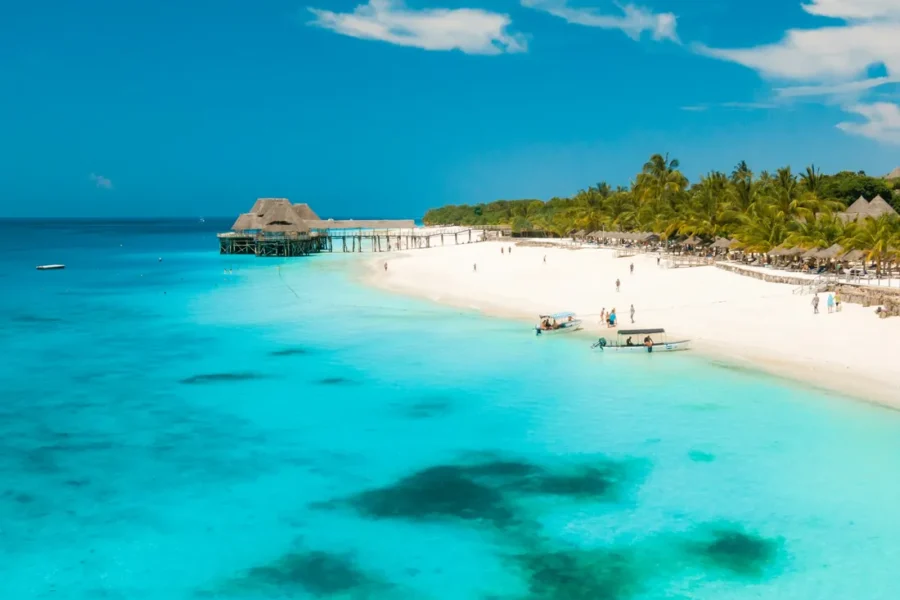
- Beach and Stone Town: fly into Zanzibar (ZNZ).
Add airport pickup on the booking form and the Kodo team meets you on arrival.
Visa for US citizens
US citizens need a visa for Tanzania. The Embassy of Tanzania in Washington lists a multiple-entry visa for American citizens at US$100, valid for 12 months. Apply online through the official Tanzania eVisa portal at visa.immigration.go.tz well before your trip.
Your passport must be valid for at least six months after you arrive and have at least one blank page. Carry your return ticket, as officers can ask for it at the border.
New entry insurance
Since 1 October 2026 every visitor to Tanzania must buy the government inbound travel insurance, even if you already hold a private policy. It costs US$44 per adult, US$22 for children aged 3 to 17, and nothing for children under 3. One policy covers up to 92 days and multiple entries.
- Arriving on the mainland first (Kilimanjaro, Arusha or Dar es Salaam): buy from NIC at inbound.nicinsurance.co.tz
- Arriving in Zanzibar first: buy from ZIC at inbound.visitzanzibar.go.tz
Keep your own travel insurance as well, for trip cancellation and anything the government policy does not cover.
Time difference and staying in touch
Tanzania runs on East Africa Time (UTC+3) all year, with no daylight saving. That puts it 7 hours ahead of New York in summer and 8 hours in winter, and 10 to 11 hours ahead of Los Angeles. Kodo answers on WhatsApp and email, so you can plan from any time zone.
Best time to go
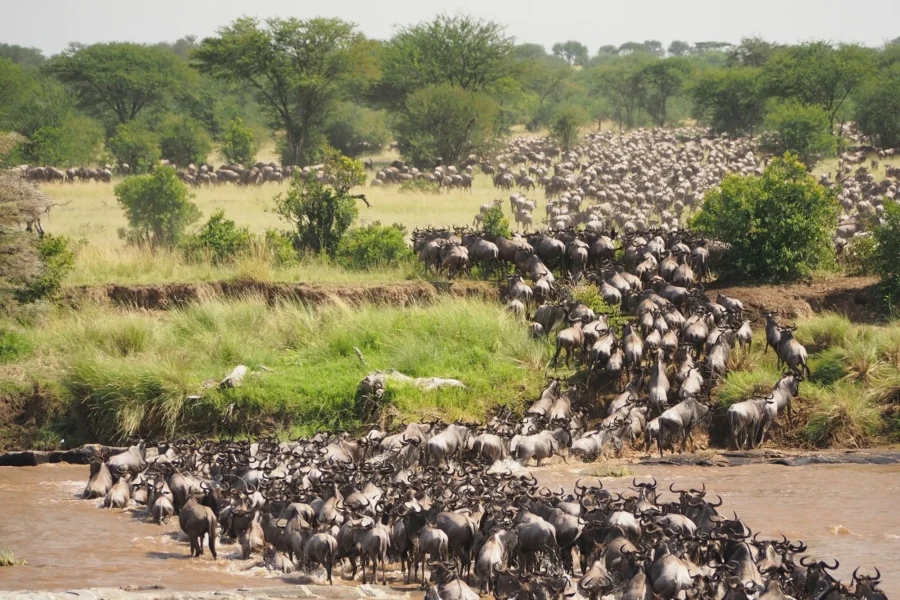
- June to October: dry season and the easiest game viewing. River crossings of the Great Migration in the northern Serengeti usually happen from July to September.
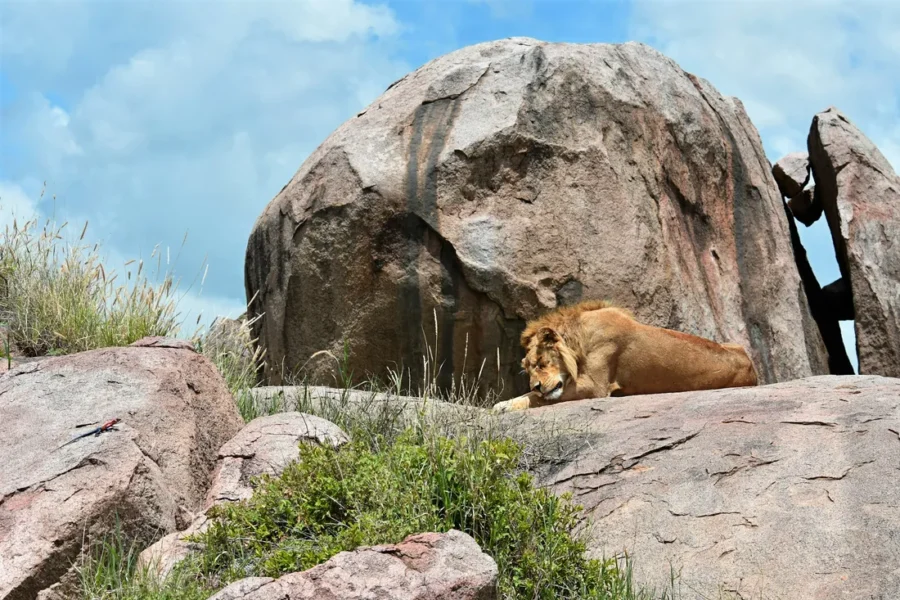
- January and February: calving season in the southern Serengeti around Ndutu, with big herds and predators.
- March to May: the long rains. Parks are green and quiet, and some camps close.
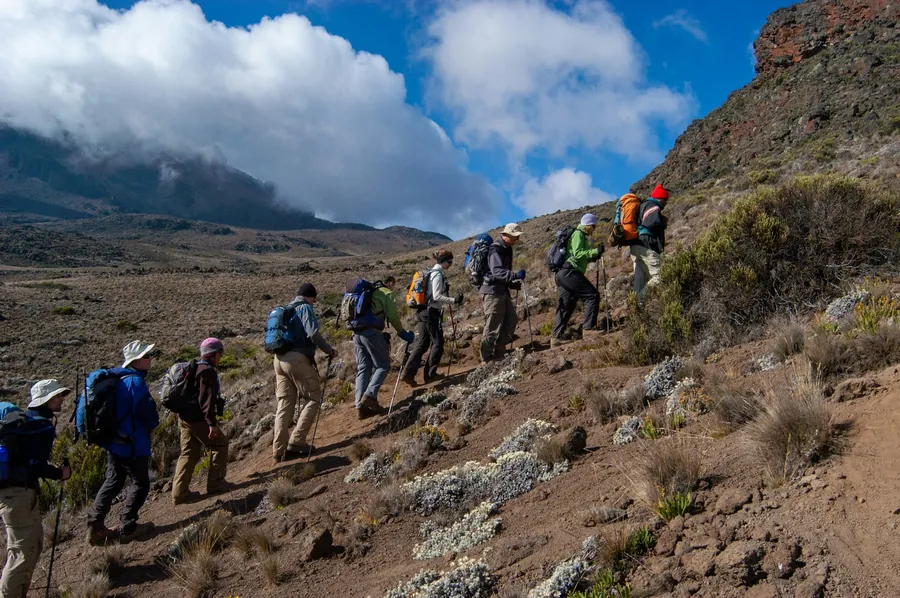
- Kilimanjaro: the driest climbing months are January to early March and June to October.
Health
A yellow fever certificate is needed only if you arrive from, or transit through, a country with yellow fever risk. If your connection runs through Addis Ababa or Nairobi, check the current transit rule before you fly. Malaria is present in most safari areas, so ask your doctor or a travel clinic about prevention six to eight weeks before departure.
How to book with Kodo Tours
Send the booking form on any tour page, or message us on WhatsApp. Kodo Tours replies with a day-by-day plan and a quote for your group. Nothing is booked or charged until you approve the plan.
Entry rules, fees and flight routes change. Facts on this page were checked in October 2026; confirm visa and insurance details on the official sites before you travel.